
In practice, these two objectives are closely connected.
Delays in the invoice-to-cash cycle are often caused by operational friction, for example, manual handovers, unresolved invoice queries, or limited visibility across Accounts Receivable processes.
At the same time, payment processing costs can quietly increase when contracts, pricing structures, and transaction mixes are not reviewed regularly.
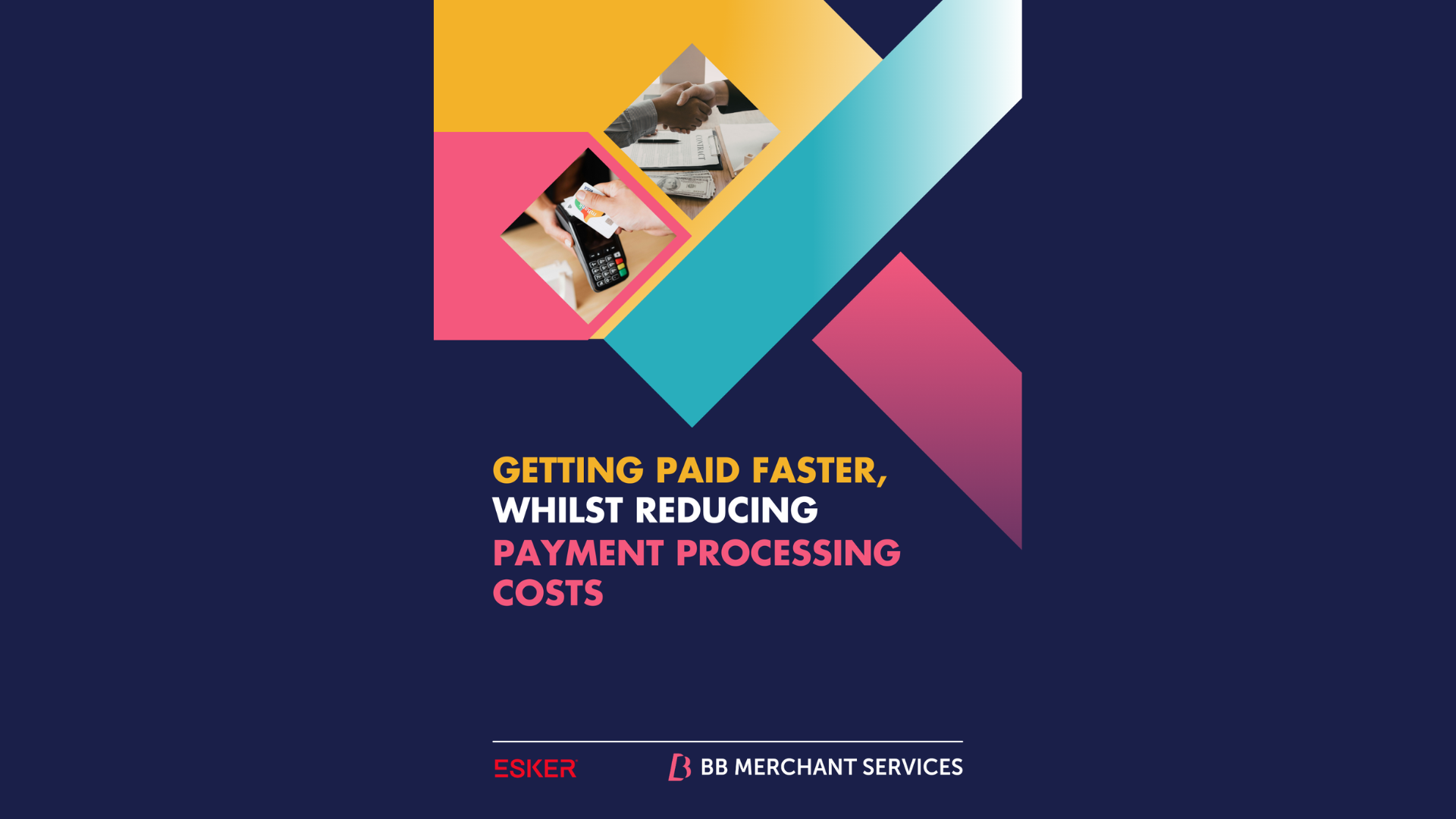
In our latest joint article with Esker UK & Northern Europe, we explore why finance leaders benefit from looking at cash collection speed and payment cost management as one system.
Key themes include:
Where cash collection delays commonly occur
How AR automation can improve visibility and consistency
Why payment processing costs should be benchmarked regularly
A practical diagnostic that finance teams can use to identify bottlenecks and cost leakage
Esker supports organisations with Accounts Receivable and Order to Cash automation, helping accelerate the journey from invoice to payment.
BB Merchant Services supports organisations by benchmarking and renegotiating payment processing costs, helping ensure fees remain aligned with fair market levels.
When these areas are addressed together, organisations can improve working capital while maintaining cost discipline.
Find the article here.
